
About Our Organization
Our mission is to raise awareness of Crohn’s disease and to generate funds for Crohn’s research, outreach & education programs.
About Crohn's disease: Know the facts
What is Crohn's disease?
Currently affecting an estimated half a million to 780,000 people in the United States, Crohn's disease is a chronic inflammatory bowel disease (IBD) that causes inflammation of the digestive tract, also known as the gastrointestinal (GI) tract.¹,²
Crohn's disease can affect any part of the GI tract, though it usually occurs at the end of the small intestine, also known as the ileum, and the beginning of the large intestine, also known as the colon.²
Crohn's disease often is mistaken for other GI disorders that cause similar symptoms, such as ulcerative colitis, diverticulitis and irritable bowel syndrome (IBS).²
References
1. Crohn's disease. From Mayo Foundation for Medical Education and Research.(2026). Available at: http://www.mayoclinic.com/health/crohns-disease/DS00104.
2. NIH National Digestive Diseases (2026). Available at: https://www.niddk.nih.gov/health-information/digestive-diseases/crohns-disease.
The health information contained herein is intended for use by United States residents only and is provided for informational purposes only and is not intended to replace a discussion with a healthcare provider. All decisions regarding patient care must be made with a healthcare provider and consider the unique characteristics of each patient.
We are an approved 501(c) (3) organization by the Internal Revenue Service and donations collected are tax deductible.
Our Tax ID# is 27-4806163.
If you have any questions , please contact us:
Rachel A Bonner Hope For Crohn’s
Accounting and Finance Offices
c/o Leslie Bonner
11501 Dublin Blvd, Ste 200
Dublin, Ca. 94568
(925)264-9767
hopeforcrohnsteam@gmail.com
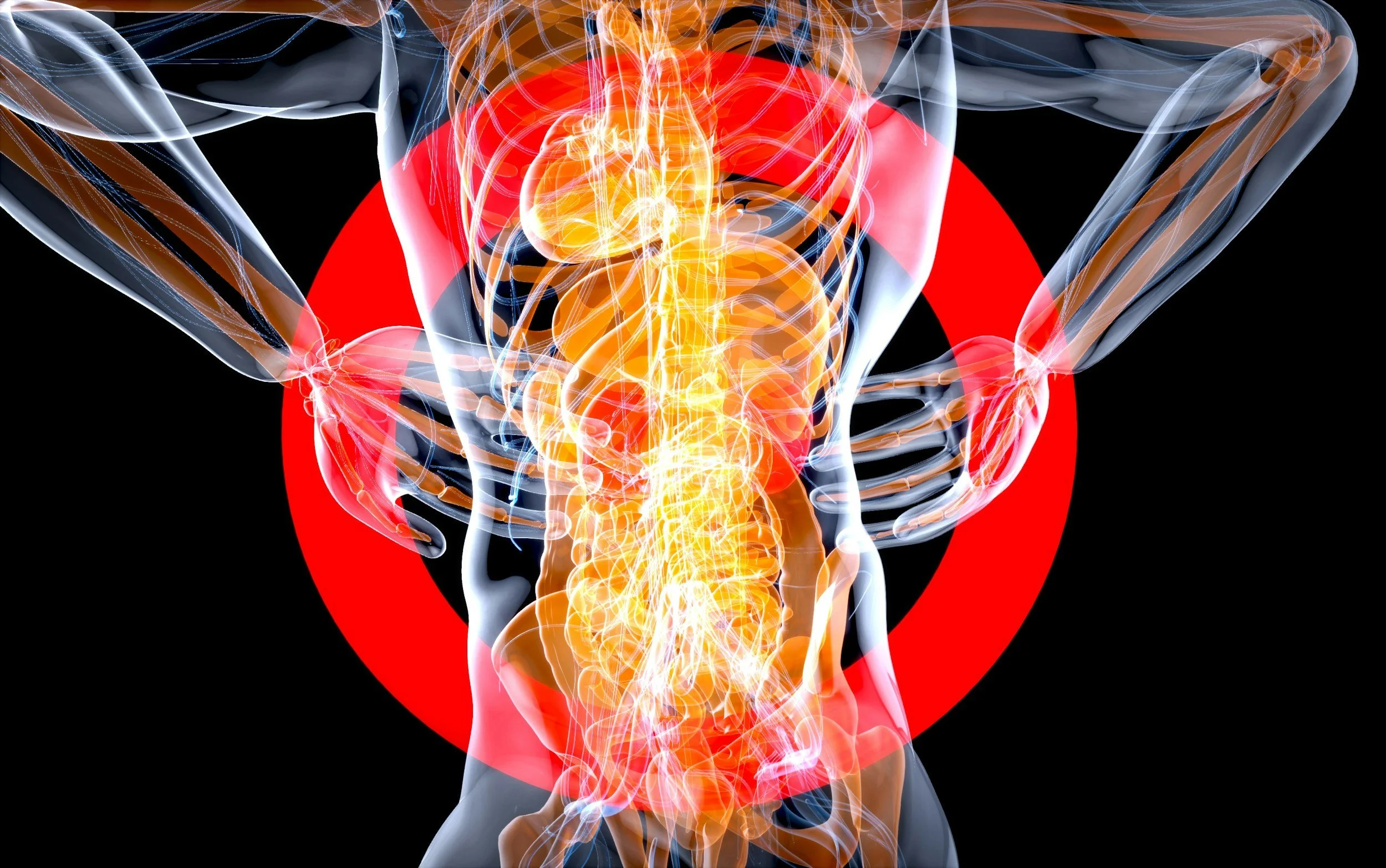
Crohn’s disease (CD) is a chronic inflammatory illness of the digestive tract which can also affect the liver, eyes, joints and skin. An “invisible disease”, most people with CD look like everyone else yet they may be suffering with severe abdominal pain, chronic diarrhea, intestinal bleeding, or required to take a handfuls of daily medications to keep the disease in remission.
"The disease runs a relapsing and remitting course. With multiple relapses, the CD can progress from initially mild to moderate inflammatory conditions to severe penetrating (fistulization) or stricturing disease. The ongoing inflammation and scarring lead to bowel obstruction and stricture formation. Crohn disease is also associated with enterovesical, enteroenteral, enterocutaneous, and enterovaginal fistulas."
Crohn’s disease is characterized by transmural inflammation of the gastrointestinal tract, most commonly affecting the terminal ileum and colon(3).
"Fibrostenosis is a major complication of Crohn's disease (CD) characterized by intestinal remodeling and excessive extracellular matrix (ECM) deposition. A prominent feature is bowel wall muscularization, involving expansion of submucosal myoid cells and muscularis propria smooth muscle cell (SMC) hyperplasia. However, the cellular identity and molecular mechanisms underlying submucosal myoid cell hyperplasia remain poorly characterized."(4).
References:
(3):Dolinger M, Torres J, Vermeire S. Crohn’s disease. Lancet. 2024;403:1177–91; Metaproteomics reveals diet-induced changes in gut microbiome function according to Crohn’s disease location.
We are here to help
Submit the inquiry form and we will respond within 3-business days